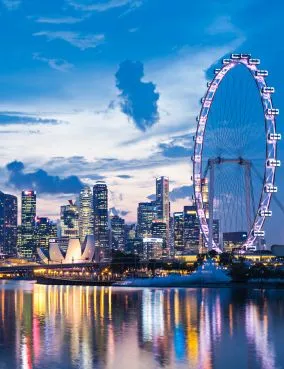


The safest countries in 2026 might surprise you. Because the most peaceful places are not always the ones people expect. In fact, a small Gulf state now ranks among the safest countries in the world, outperforming much of Western Europe on quality of life. Meanwhile, a Balkan nation you’ve never heard of ranks higher than Germany on safety.
Here’s the thing. The 2025 Global Peace Index just dropped some big numbers. Overall, 87 countries got less safe last year. Moreover, global peace hit its lowest point since 2008. War signs now sit at their worst since World War II. So if you want to move abroad, you can’t just guess.
But here’s the good news. Over 60 countries now offer digital nomad visas. In addition, the global nomad population has blown past 40 million. As a result, the doors are wide open if you know which ones to walk through.
This guide breaks down the safest countries 2026 by who you are: digital nomad, remote tech worker, corporate expat, or family. We’ll cover visa options, real costs, and the data that matters. Also, we’ll share a framework from Relo.AI so you can evaluate any destination like a pro.
Let’s get into it.
The 2026 Safety Landscape: Why the Old Playbook Is Dead
First, let’s kill a myth. “Safe” doesn’t just mean “low crime.” That’s the old way of thinking. In 2026, safety also means stable leaders, clean air, strong Wi-Fi, and good doctors. Therefore, the safest countries in 2026 must score well on all of these, not just one.

Subscribe for free and get proven relocation and travel strategies, personalized support, valuable rewards, and trusted reviews for every move.
Your email has been added to our list.
The Global Peace Index (GPI) is still the top source. It scores 163 nations on 23 factors. These include crime rates, terror risk, army spending, and unrest. However, the HelloSafe 2026 Safety Index now adds two new areas: cyber safety and climate risk. Together, they make up 25% of the total score. That’s a big shift.
Meanwhile, the Numbeo Quality of Life Index shows what daily life really feels like. It tracks buying power, health care, smog, commute times, and housing costs. As a result, it picks up things the GPI misses.
So here’s the 2025 GPI top 10, which forms the backbone of any safest countries 2026 plan –
- Iceland — #1 for 17 consecutive years
- Ireland — Biggest safety leap in recent GPI history
- New Zealand — Perfect conflict scores
- Austria — Vienna: the world’s most livable city
- Switzerland — Neutral, wealthy, and hyper-stable
- Singapore — Asia’s safety titan
- Portugal — Digital nomad paradise
- Denmark — Safe at 3 AM, safe at 3 PM
- Slovenia — Europe’s best-kept secret
- Finland — 82% of women feel safe walking alone at night
Notably, eight of these ten are in Europe. But Singapore and New Zealand prove that safety isn’t a European monopoly. Additionally, several countries just outside the top 10, like Japan (#12) and Canada (#14), deserve serious attention.
Now, let’s break these down by who they’re actually best for.
Related – The Easiest European Countries to Get Citizenship and Live Freely
Safest Countries 2026 for Digital Nomads: Where Freedom Meets Security
Let’s be real. Most digital nomads pick their next base on vibes and Instagram reels. That’s fun, until your laptop gets stolen or your visa runs out. So here’s a smarter way to choose.
According to the 2026 Digital Nomad Visa Index, Spain ranks #1 globally. Malta, Portugal, Germany, and Hungary round out the top five.
Furthermore, the Global Digital Nomad Report highlights Spain, the Netherlands, and Uruguay as leaders. Therefore, the safest countries for nomads in 2026 look like this –
| Country | GPI Rank | Visa Type | Monthly Budget | The Real Reason to Go |
| Portugal | #7 | D8 Visa (2 yr) | $1,500–$3,000 | Lisbon’s tech scene + Schengen access + surf breaks |
| Spain | #25 | Startup Act (5 yr) | $1,600–$3,500 | 0% foreign income tax under the Beckham Law |
| Estonia | #28 | DN Visa (1 yr) | $1,200–$1,800 | E-Residency lets you run an EU company from anywhere |
| Croatia | #17 | Permit (1 yr) | $900–$1,400 | Dedicated nomad village near Zadar + Adriatic coast |
| Georgia | #82 | Visa-free (1 yr) | $800–$1,400 | No visa. No minimum income. Tbilisi is wildly underrated |
Now, let’s talk about the elephant in the room: taxes. Spain’s Beckham Law is a game-changer. It gives remote workers a flat 24% rate on Spanish earnings and 0% on foreign income for up to six years. As a result, Spain is one of the safest countries 2026 that also saves you serious money. For a full breakdown, check Citizen Remote’s guide.
Also worth noting: Georgia requires zero visa paperwork for citizens of 95+ countries. You just show up and stay for a year. The cost of living in Tbilisi runs about $1,000 per month for a solid lifestyle.
Safest Countries 2026 for Remote Workers and Tech Professionals
Remote workers have different needs than nomads. You’re not hopping between cities every month. Instead, you want a stable base with fast internet, time zone overlap, and clear tax rules. On top of that, personal safety is non-negotiable. So, which of the safest countries in 2026 fit this profile?
Iceland — The Untouchable #1
Iceland has held the top GPI spot for 17 straight years. Nobody else comes close. Violent crime is almost zero. Police don’t carry guns. Also, the country has no standing army. Reykjavik’s tech scene is growing, with startups in AI, biotech, and renewable energy. However, the cost of living is steep. A one-bedroom apartment in Reykjavik runs about $1,500/month. And winters bring just 4–5 hours of daylight. Therefore, Iceland works best for workers who prioritize safety above all else and can handle the dark.
Singapore — The APAC Powerhouse
Singapore’s homicide rate sits at 0.2 per 100,000 people. For context, that’s essentially zero. Furthermore, the Employment Pass system is clean and well-run. It takes about 3 weeks to process. Singapore also offers world-class internet speeds (over 200 Mbps average), zero capital gains tax, and a massive expat community. In particular, it’s ideal for fintech workers, data scientists, and anyone targeting Southeast Asian markets.
New Zealand — The Calm at the Edge of the World
New Zealand improved its peace score by 3.1% last year. That’s the biggest jump among top-10 nations. Additionally, it earned perfect marks in the GPI’s Ongoing Conflict domain. The country is English-speaking, politically stable, and about as far from geopolitical hotspots as you can get on this planet. Therefore, it’s perfect for remote workers who want psychological distance from global chaos. The tech scene is smaller but growing, especially in Auckland and Wellington.
Switzerland — The Premium Option
Geneva and Zurich are global hubs for finance, pharma, and tech. The Numbeo index ranks Switzerland in the top 5 for quality of life. Yes, it’s expensive, a meal out costs $25–$40. But senior tech roles here pay $150K–$250K+. As a result, the math works if you’re at that career stage. Also, Switzerland’s famous neutrality isn’t just political. It extends to data privacy laws, making it attractive for anyone working in sensitive tech.
Building a case for your team’s next location? Relo.AI lets you compare destinations side-by-side using safety scores, visa timelines, cost data, and quality of life metrics, all in one dashboard.
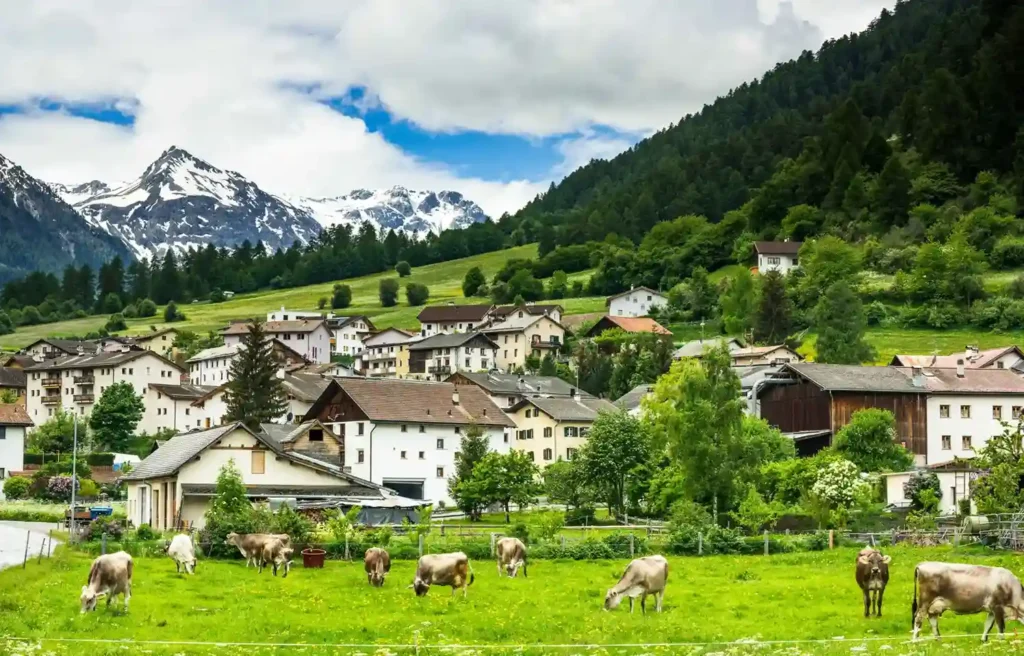
Safest Countries 2026 for Corporate Expats – Where Smart Companies Send Their People
Here’s a stat that should wake up every HR leader. A failed move abroad costs $250,000 to $1 million. That’s not a typo. It covers early flights home, new hires, lost output, and broken trust. Therefore, picking from the safest countries in 2026 isn’t just smart, it’s a budget call.
According to the Atlas Van Lines survey, 29% of firms say they can’t find local talent. As a result, they’re sending people abroad again.
The safest countries for corporate assignments in 2026 are –
Subscribe for free and get proven relocation and travel strategies, personalized support, valuable rewards, and trusted reviews for every move.
Your email has been added to our list.
Ireland (#2 GPI) — Home to the EU offices of Google, Apple, Meta, and many more. It’s English-first, stable, and showed one of the biggest safety jumps in years. Also, Ireland’s 15% tax rate is a draw for firms. See Global Citizen Solutions’ deep dive for more.
Austria (#4 GPI) — Vienna has won “Most Livable City” more than once. It has strong laws, great trains, and sits right in the heart of Europe. As a result, it’s a natural pick for firms that cover the DACH and Eastern European markets.
Denmark (#8 GPI) — Danes say they feel safe at all hours. In addition, Denmark leads the world in work-life balance. Copenhagen draws big firms in pharma, clean energy, and shipping. Also, the health system covers all workers, even expats on short permits.
The Netherlands — It topped the 2026 global travel safety list and climbed to #1 on Numbeo’s Quality of Life chart. Amsterdam and Rotterdam have a great setup for offices. Moreover, 95% of Dutch people speak English. So the language gap is close to zero.
Reducing assignment failures starts with better data. Relo.AI gives mobility teams real-time safety scores, cost-of-living analytics, and employee sentiment tracking — so you catch problems before they become expensive.
Also read – Relocating to Amsterdam, Netherlands – A Complete City Guide
Safest Countries 2026 for Families and Early Retirees
Families care about schools, doctors, clean streets, and trust. You want your kid to ride a bike to the park alone. So, which safest countries 2026 serve families best?
Finland (#10 GPI) — Here’s one number: 82% of Finnish women feel safe walking alone at night. In fact, that is one of the highest rates on Earth. Additionally, Finland’s schools rank #1 globally. Moreover, health care is free. At the same time, safety nets are strong. Furthermore, Finnish cities are clean, quiet, and close to nature. However, winters are long and dark. Nevertheless, for families who put safety first, Finland is hard to beat.
Slovenia (#9 GPI) — This is the country no one talks about, and that’s the point. It’s cheap by Western Europe norms. A family of four can live well in the capital for $2,500–$3,500 a month. Also, it sits next to Italy and Austria. So weekend trips are easy. Crime is low. Nature is stunning. As a result, it’s one of the best-value, safest countries 2026 for families.
Japan (#12 GPI) — Tight gun laws. Almost no crime. A culture built on respect. In fact, the Safe Cities Index puts Tokyo in the top three safest cities on Earth. Trains run on time. Doctors are good and cheap. However, the language gap is real.
Oman — This is the dark horse. No income tax. The cost of living is about half that of Switzerland. And it ranked #1 in all of Asia and the Middle East on Numbeo’s 2025 list. In addition, the Expatriate Healthcare guide notes Oman’s fast-growing roads, schools, and clinics. Rent for a family flat in Muscat runs about $1,000 a month. As a result, your pay goes much further here. But do note: local norms are more strict. So read up before you commit.
How to Evaluate the Safest Countries 2026 – The Relo.AI Framework
Rankings help. But they’re just a start. Each person’s idea of “safe” has parts no index can see. Therefore, Relo.AI uses this five-step plan for checking the safest countries 2026 –
Step 1 – Stack the lists. Don’t trust just one source. Use the Global Peace Index for big-picture safety. Then check Numbeo for daily life scores. Also, look at the HelloSafe index for cyber risk and climate threats. If a country does well on all three, it’s truly safe.
Step 2 – Zoom into city-level data. A country might rank in the top 10. However, one city might be great while another falls short. For instance, Lisbon and rural Portugal are quite different. So always check the city you’d live in.
Step 3 – Test the health system. In a crisis, fast care beats low crime stats. Countries like Switzerland, Singapore, and Finland have world-class hospitals. Also, make sure your plan covers you there. Many expat plans have gaps.
Step 4 – Read the five-year trend. A country rising steadily for five years is a safer bet than one that spiked once. For instance, Ireland jumped from #11 to #2 on the GPI; that’s a strong sign. On the other hand, a country sliding down may look fine now, but won’t last.
Subscribe for free and get proven relocation and travel strategies, personalized support, valuable rewards, and trusted reviews for every move.
Your email has been added to our list.
Step 5 – Use a smart platform. Relo.AI pulls safety data, visa rules, cost of living, tax info, and quality of life into one clean view. As a result, you can compare three or four spots in minutes, not weeks. It works for solo movers and big HR teams alike.
Recommended read – 15 Countries with the Best Work-Life Balance in 2026
The Bottom Line – Safety Is the New Competitive Advantage
Here’s what most people get wrong. Often, they treat safety like a box to tick once. However, in 2026, the safest countries 2026 are not just “not bad.” Instead, they are places where safety actively improves daily life. For example, a nomad builds a business with no stress. Meanwhile, a family grows roots with peace of mind. At the same time, a worker reaches a flow state because the world outside remains calm.
In summary, Iceland, Ireland, New Zealand, Singapore, Portugal, Austria, and Denmark lead the pack. Meanwhile, new stars like Oman, Slovenia, and Estonia are closing in fast. Also, with 60+ nations now offering work visas for remote pros, moving abroad is easier than ever.
But data without action is just trivia. The real gap between dreaming and doing? Having the right tools.
Ready to act? Relo.AI brings safety data, city-level insights, and move planning tools together in one place.
If you’re a solo nomad or an HR team moving 200 people, it’s built for you.
Book a FREE call with us now.
Sources & Further Reading –
- Global Peace Index 2025 – Institute for Economics and Peace
- Numbeo Quality of Life Index 2026
- 2026 Digital Nomad Visa Index – Immigrant Invest
- Global Digital Nomad Report 2025 – Global Citizen Solutions
- HelloSafe 2026 Safety Index
- Safest Countries for Travelers 2026 – BHTP
- Top 10 Safest Countries for Expats – Expat Insurance
- Atlas Van Lines Corporate Relocation Survey
- TRC Global Mobility – Relocation Trends 2026
- Best Countries for Digital Nomads – Citizen Remote
- Singapore Employment Pass – Ministry of Manpower
- Best Countries to Live in 2026 – Expatriate Healthcare
- Safe Cities Index – Economist Intelligence Unit
- Relo.AI – Relocation Intelligence Company