


Starter homes continue to anchor the American housing market, even as prices climb in major metros. A growing share of first-time buyers is searching for homes under $250k, a segment shrinking in many coastal regions but still strong in a number of interior cities. These buyers want predictable mortgage payments. They want neighborhoods with local services. Many also view their first purchase as a way to start building long-term stability.
Demand grows quickest in cities where paychecks carry real weight, and listings stay within reach for first-time shoppers.
Buyer traffic is concentrated in these 10 cities, where demand for modest starter homes remains steady among new owners and early investors.
1. Indianapolis
Indianapolis holds its place as a competitive market for homes under $250k. At the same time, buyers compare small houses across several growing districts. Besides, many explore compact condos and updated townhomes as they weigh long-term value. As they explore the market, they often review how to buy a condo guides to understand HOA rules and long-term costs.

Subscribe for free and get proven relocation and travel strategies, personalized support, valuable rewards, and trusted reviews for every move.
Your email has been added to our list.
Local agents say new shoppers want clearer details on real estate financing. Even tiny rate changes affect loan terms. These shifts also change monthly costs.
In addition, neighborhoods shaped like 15-minute cities continue to draw attention since they offer groceries, transit and parks within a short walk.

Related – Virtual Tours in Real Estate: 10 Key Benefits You Can’t Miss!
2. St. Louis
St. Louis offers one of the strongest inventories of entry-level homes under $250k in established neighbourhoods. As a result, many properties fall within this budget, and competition remains steady. In addition, first-time owners often begin their research with renting vs. buying comparisons to understand long-term costs in older districts.
Investors also examine the potential for real estate as retirement income because duplexes and small multi-unit properties remain accessible.
Buyers who want balanced growth look closely at blocks with stable schools and active community groups since these patterns often signal long-term value.

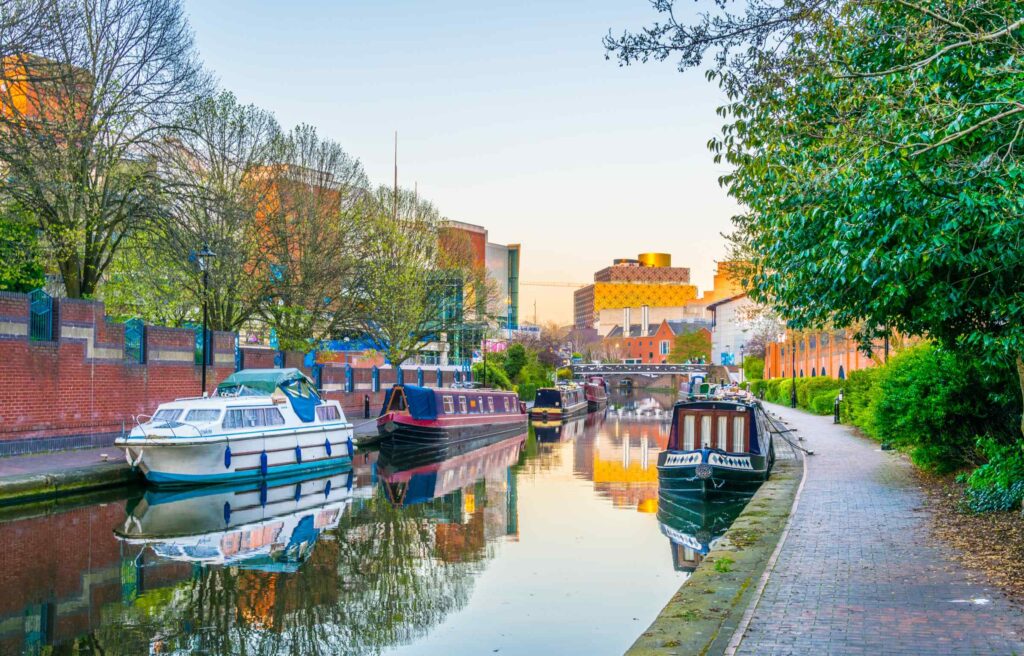
3. Birmingham
Birmingham attracts buyers who want larger lots and manageable prices. Consequently, starter homes under $250k here sell quickly in suburbs with predictable commutes.
As shoppers move through listings, they discuss questions to ask before buying a house with their agents because older structures require careful evaluation. Besides, many also study hyperlocal real estate trends since values can shift from street to street.
As a result, streets with consistent upkeep and strong civic engagement continue to see faster offers and stronger foot traffic during open houses.
4. Cleveland
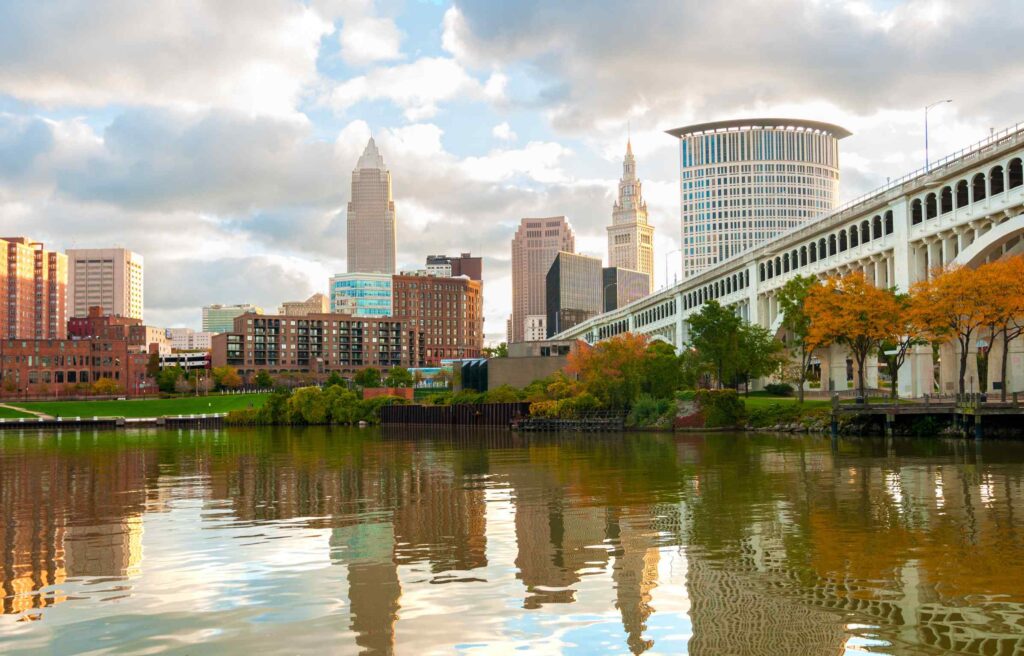
Cleveland continues to offer rare affordability in a major metro. To begin, buyers compare small single-family homes with compact condos in walkable districts, and many focus their search on homes under $250k in stable neighborhoods.
In addition, these shoppers frequently revisit basic condo buying guidelines when reviewing buildings near the lakefront.
Meanwhile, renters moving into ownership take time exploring long-term cost comparisons because the city’s rental market has grown more competitive.
Furthermore, investors review opportunities for small rental property purchases because many homes fall well within accessible budgets.
5. Kansas City
Kansas City has become a central hub for remote workers seeking larger floor plans. At the same time, demand continues to rise across several growing districts. As a result, corporate relocations support steady interest in the market. Consequently, the tech sector also keeps demand strong for homes under $250k.
In many cases, buyers ask agents for detailed guidance on what to check during a home visit since older properties dominate many neighborhoods.
In turn, sellers benefit when they provide complete inspection reports before listing. Ultimately, that transparency builds trust in a city where older foundations are common.

Also read – The True Cost of Renting vs Owning a Home
6. Buffalo
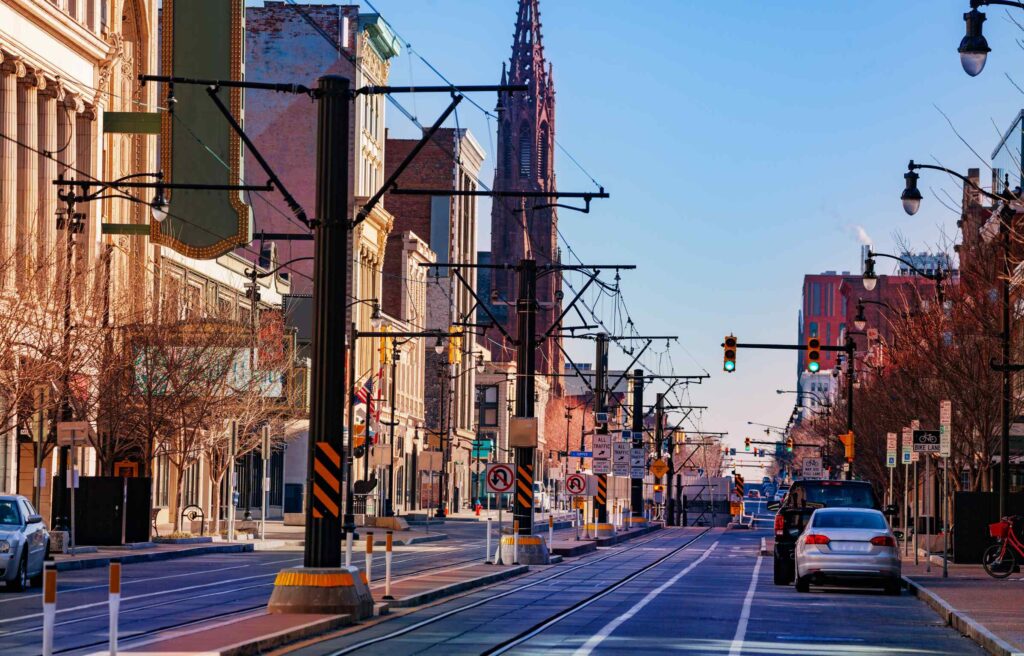
Buffalo continues to draw buyers who value accessible streets and compact grids. Starter homes under $250k show up often in several central neighborhoods. Prospective owners frequently seek guidance from agents on upkeep in older buildings.
As the city grows, demand increases for homes in areas that function like compact neighborhoods since daily errands become easier and commuting costs stay low.
In response, more buyers explore blocks near parks and small business corridors. At the same time, interest stays strong in neighborhoods with steady renovation activity.
7. Oklahoma City
Oklahoma City delivers one of the healthiest inventories for buyers on moderate budgets who focus on homes under $250k. In addition, many shoppers evaluate future investment potential and track cities ranked high in studies of cities for real estate investment. At the same time, some also compare opportunities linked to the Tulsa Remote Program, which has increased regional interest in affordable ownership across the state.
As a result, they see Oklahoma City as stable and supportive of long-term ownership. At the same time, young households plan ahead by learning how small starter homes can later serve as an income-generating asset when they upgrade.
Ultimately, this approach helps them build financial stability without taking on major risk.

Subscribe for free and get proven relocation and travel strategies, personalized support, valuable rewards, and trusted reviews for every move.
Your email has been added to our list.
8. Pittsburgh
Pittsburgh attracts medical professionals and engineers who want affordable ownership within urban limits, and many focus their search on homes under $250k in well-serviced districts.
As they assess different options, they review small multifamily properties that may offer helpful income potential once mortgages begin to shrink.
Besides, shoppers pay close attention to local service access. In many cases, grocery stores, bike lanes and safe streets shape the right neighborhood choices for families and single buyers alike.

9. San Antonio
San Antonio continues to gain interest among first-time buyers who want homes under $250k in growing suburbs. As they sort through listings, many compare fixed-rate and adjustable-rate loans with lenders who explain the differences in simple terms.
Meanwhile, newcomers explore homes in central districts. To make informed decisions, they review basic ownership information to understand monthly fees and reserve requirements before placing offers.
In addition, interest keeps rising in areas with steady new construction.

Recommended read – How to Hire a Realtor Who Truly Gets You the Deal You Deserve
10. Des Moines
Des Moines stands out for its predictable appreciation and manageable costs. To begin, buyers compare nearby suburbs with downtown corridors to see where homes under $250k offer the strongest resale outlook.
In many cases, agents report that shoppers ask early questions about inspections and repairs because this helps them avoid unexpected costs once they close.
Additionally, interest grows quickly in areas with steady population movement. At the same time, buyers show a strong preference for blocks with reliable everyday services.

What This Means for Sellers
Interest in homes under $250k has stayed consistent nationwide. In turn, many look beyond coastal cities and favor interior markets. Consequently, sellers in these markets benefit from consistent demand.
Owners can strengthen their position by studying local sales patterns. They can also share clear financial details with buyers. Additionally, answering early questions about repairs and long-term value builds trust and reduces delays.
At the same time, walkable areas remain especially competitive. Homes near stores and transit often receive offers faster, with some studies noting gains of up to 15% in showing activity.
Therefore, sellers in connected neighborhoods often experience quicker interest and more predictable timelines.
How Do Rising Mortgage Rates Reshape First-Time Buyer Expectations
Rising mortgage rates have pushed buyers to rethink their approach. As a result, many now focus on monthly stability first. Square footage matters less to them.
This shift, in turn, has pushed more new owners toward cities where homes under two hundred fifty thousand still allow room for savings, emergency budgets and long-term planning.
At the same time, higher lending costs encourage buyers to compare neighborhoods with sharper discipline. In many cases, they look closely at commute times, utility averages and renovation needs before placing an offer. 53% of home buyers say commute time is a top priority when house-hunting (ZillowGroup).
Subscribe for free and get proven relocation and travel strategies, personalized support, valuable rewards, and trusted reviews for every move.
Your email has been added to our list.
Ultimately, this extra caution creates slower but more deliberate decision-making, which supports healthier purchasing patterns in starter home markets.
Why Do Smaller Interior Cities Keep Attracting Remote Workers and Early Investors
Remote work continues to guide housing choices for young professionals. Consequently, many workers want quiet neighborhoods, reasonable prices and flexible living space, all of which smaller interior cities still provide. In addition, these regions offer strong appeal to early investors who want stable long-term appreciation without extreme entry costs.
Because of this, these cities maintain steady job growth and predictable living expenses. This helps first-time owners plan with fewer financial shocks.
Together, this mix of value and stability keeps interior markets competitive. Even large metros struggle to offer the same balance when prices rise and demand shifts.
Bottom Line
Starter home sellers across these ten cities face steady demand. Buyers want affordability, predictable financing, and neighborhoods with dependable services. They also explore pathways into ownership that support long-term financial stability. The strongest interest continues to centre on homes under $250k, a segment that remains essential for first-time buyers nationwide.
This price bracket remains a clear entry point for households seeking stability.
Smarter Decisions Begin With Relo.AI Insight
Relo.AI helps buyers and relocating families understand local markets, evaluate budgets, and choose cities that match long-term goals. We break down neighborhood data, living costs, school access, commute patterns, and financing paths so each decision feels informed and steady.
Also, we have broker connections that assist buyers in accessing reliable guidance and verified listings across multiple cities.
A guided approach removes uncertainty and gives buyers the confidence to plan with clarity. Relocating buyers who want a deeper view of markets with accessible home prices find reliable support through our structured analysis.
Schedule a FREE consultation now and receive clear guidance tailored to your next move.