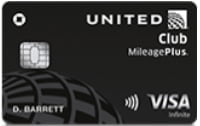


Payment choices often sit in the background of daily operations, yet they influence how companies control costs, assign responsibility, and scale financial systems. As organizations expand, the distinction between corporate cards and business cards becomes harder to ignore. Core spending functions appear similar, while accountability, approval structure, and exposure differ. In the corporate credit card vs. business credit card comparison, the central issue lies in how a company prefers to manage spending.
Both options support routine purchases, travel, and vendor payments. The difference emerges in governance, reporting, and who ultimately carries financial risk.
This comparison examines differences as they appear in active business environments.
What Is a Corporate Credit Card?
A corporate credit card is issued in the name of the organization, with approval based on company revenue, cash position, and operating track record. During onboarding, personal credit checks may occur; however, ongoing liability typically rests with the organization.

Subscribe for free and get proven relocation and travel strategies, personalized support, valuable rewards, and trusted reviews for every move.
Your email has been added to our list.
In practice, corporate cards are commonly distributed across departments with predefined limits. At the same time, finance teams set rules by role, location, or merchant category. As transactions occur, they feed directly into expense platforms, often with same-day visibility.
According to industry reporting, large issuers such as American Express and Visa note that corporate card programs are most common among companies with 50 or more employees.
Corporate cards reduce reimbursement processing by up to 40%. Corporate cards emphasize control, reporting, and audit readiness.
What Is a Business Credit Card?
A business credit card is generally tied to a business owner or a small leadership group. As a result, approval relies heavily on personal credit scores, and personal guarantees are standard.
Although the card is branded for business use, financial responsibility often remains individual.
For this reason, business credit cards often suit early-stage companies due to simpler approval requirements.
In many cases, credit limits range from $10,000 to $50,000 based on personal credit profiles. At the same time, annual fees typically fall between $0 and $695, depending on benefits.
By way of example, popular options include cards issued by Chase and Capital One that emphasize cash back and travel rewards.
Overall, business credit cards favor flexibility and speed. However, oversight depends largely on manual review and reimbursement workflows.
Related – The Best Secured Business Credit Cards Fueling Small Business Growth
Corporate Credit Card vs. Business Credit Card: Side-by-Side Comparison
A parallel comparison shows how each approach supports evolving operational needs. While similarities appear early, distinctions arise as governance becomes more important. As organizations scale, these distinctions begin to influence efficiency and risk management.
Below presents those differences at a glance –
| Feature | Corporate Credit Card | Business Credit Card |
| Primary Account Holder | The company | Business owner or principal |
| Approval Basis | Company revenue, cash flow, and operating history | Personal credit score and income |
| Liability | Typically rests with the company | Usually, personal liability |
| Personal Credit Impact | Limited or none after onboarding | Direct impact on personal credit |
| Typical Users | Employees across departments | Owners or small leadership teams |
| Spending Controls | Role-based limits, merchant restrictions, and pre-approvals | Manual oversight after spending |
| Expense Visibility | Real-time or near real-time reporting | End-of-cycle reconciliation |
| Receipt Management | Automated capture and digital storage | Manual submission and tracking |
| Reimbursements | Largely eliminated | Common and ongoing |
| Credit Limits | Based on the company’s financial strength | Based on personal credit profile |
| Fees | Platform or per-user fees ($10–$30 per user/month) | Annual fees often $0–$695 |
| Interest Charges | Often charge cards require full monthly settlement | Interest applies if balances carry |
| Rewards Focus | Limited or secondary | Cash back, points, or miles |
| Audit Readiness | High, with built-in documentation | Requires additional review |
| Best Fit For | Growing teams, regulated industries, scale | Early-stage or owner-led businesses |
How Do Approval Requirements Differ?
Corporate cards assess company health. In practice, issuers review revenue patterns, available bank balances, and internal controls. As a result, minimum annual revenue requirements often fall within the $1 million to $4 million range.
On the other hand, business cards focus on personal credit. In many cases, owners with strong credit scores may qualify regardless of business age. Because of this accessibility, over 60% of small businesses in the United States rely primarily on business credit cards, according to Federal Reserve small business surveys.
Ultimately, the trade-off sits between ease of access and structural independence in the corporate credit card vs. business credit card decision.
Who Carries Financial Liability?
Liability defines risk. In practical terms, it determines where financial responsibility ultimately sits.
With business credit cards, missed payments affect the cardholder’s personal credit. As a result, interest rates often range from 18% to 29% APR, depending on the issuer.
By contrast, corporate credit cards shift responsibility to the company. While some programs require joint liability during early stages, over time, mature accounts operate under corporate liability. This separation, in turn, protects founders and executives as organizations grow.
For this reason, for companies preparing for audits, acquisitions, or leadership transitions, liability separation becomes a material advantage in the corporate credit card vs. business credit card decision.
How Much Do Corporate and Business Credit Cards Cost?
Costs differ less in headline pricing and more in how fees accumulate over time.
Business credit cards often advertise low entry costs. Many cards avoid annual fees, while premium options reach $695 per year. Interest rates generally range from 18% to 29% APR. For small teams, these costs are generally manageable when spending remains limited.
Corporate credit cards often replace annual fees with per-user charges of $10 to $30 per month. Many function as charge cards, reducing interest costs but requiring tighter cash management.
Companies often find that administrative savings offset direct costs. Reduced reimbursement processing, fewer errors, and faster month-end close can lower indirect expenses.
In the corporate credit card vs. business credit card comparison, cost becomes less about headline fees and more about total operational impact.
Which Business and Corporate Credit Cards Are Commonly Used?
Early on, spending stays close to ownership. For this reason, business credit cards are common among founders and small teams. Common examples are the Chase Ink Business Preferred®, Chase Ink Business Unlimited®, Capital One Spark Cash Plus, and Bank of America® Business Advantage Cash Rewards Mastercard®.
Approval leans on personal credit. Rewards matter. Fees range from $0 to $695. As companies grow, spending spreads. More people spend. More structure is needed. Then, corporate cards appear.
Common programs include the American Express® Corporate Green Card, American Express® Corporate Gold Card, and American Express® Corporate Platinum Card, along with Visa Corporate Card and Mastercard Corporate Card programs. Control replaces rewards. Liability moves to the company.
In the end, scale decides. That contrast defines the corporate credit card vs. business credit card choice.

How Does Expense Visibility Differ?
Visibility remains one of the strongest differentiators. In operational terms, it shapes how quickly financial teams can respond to spending activity.
With corporate cards, integration occurs directly within accounting and expense systems. As a result, transactions categorize automatically, and receipts are attached digitally. Consequently, finance teams see spending patterns in near real time.
Subscribe for free and get proven relocation and travel strategies, personalized support, valuable rewards, and trusted reviews for every move.
Your email has been added to our list.
By contrast, business cards depend on after-the-fact reporting. As such, receipts often arrive late and errors surface during reconciliation. As transaction volume rises, this delay increases financial noise.
In practice, the corporate credit card vs. business credit card decision often turns on how much visibility leadership requires before issues escalate.
How Do These Cards Affect Employees?
Employee experience shifts noticeably. In daily operations, this shift becomes apparent through routine expense activity.
With corporate cards, the need for personal out-of-pocket spending is removed. As a result, travel, meals, and supplies occur within approved limits, and in turn, approval workflows feel clearer and more consistent.
Business cards may work well in small teams. However, reimbursement delays can create friction as headcount grows.
Over time, payment tools quietly shape workplace trust.
Also read – The Best Travel Credit Cards for Beginners to Save, Earn & Travel Smarter
How Do Rewards Factor Into the Decision?
Rewards tend to matter more with business credit cards. Most cash-back cards offer returns between 1.5% and 2%, while travel cards focus on transferable airline and hotel points. As a result, founders and small teams often use rewards to offset routine expenses.
By contrast, corporate credit cards place less emphasis on individual rewards. Instead, value appears through reporting accuracy, reduced fraud exposure, and time saved on expense management. In the long run, operational efficiency frequently surpasses the financial value of points.
As companies mature, efficiency and oversight increasingly take priority over reward accumulation.
When Does Corporate Credit Provide Greater Control Than Business Credit?
Corporate credit provides greater control once spending spreads across multiple teams, and informal oversight becomes difficult to sustain. As activity increases, delays in approval and visibility carry higher costs. At that stage, centralized limits and real-time reporting become essential.
In contrast, business credit works best when spending remains concentrated and easy to review. Once that changes, corporate credit provides the structure needed to manage risk, maintain consistency, and support scale without relying on manual intervention.
Recommended read – Business Credit Card for a New Business in the United States
Which Card Option Fits Each Stage of Growth?
There is no universal answer. Instead, suitability depends on scale and operational complexity.
In general, business credit cards suit early-stage companies, founder-led operations, and teams with limited spenders. By comparison, corporate credit cards align with larger teams, regulated industries, and organizations requiring structured oversight.
In many cases, companies use both during transition periods. Over time, the shift occurs gradually as spending complexity increases.
Ultimately, the corporate credit card vs. business credit card decision reflects operational maturity.
Frequently Asked Questions (FAQ) About Corporate Credit Card vs. Business Credit Card
1. Does a Corporate Credit Card Affect Personal Credit Scores?
In most situations, it does not. Personal credit checks may occur during onboarding, with reporting handled at the company level.
Subscribe for free and get proven relocation and travel strategies, personalized support, valuable rewards, and trusted reviews for every move.
Your email has been added to our list.
2. Which Option Works Better for Small or Early-Stage Businesses?
Business credit cards often work better early on. They are easier to obtain and simpler to manage. Spending usually stays centralized.
3. Are corporate credit cards harder to get than business credit cards?
Approval for corporate credit cards depends on revenue and cash reserves, which can limit access. Business credit cards focus on personal credit and are easier to obtain early on.
4. Can startups qualify for corporate credit cards?
Some startups can qualify, but requirements are higher. Most begin with business credit cards until revenue and cash reserves support a corporate program.
Need More Clarity on Corporate and Business Spending Options? Relo.AI Can Help!
Spending decisions often extend beyond day-to-day transactions, especially for growing teams weighing corporate credit card vs. business credit card options across distributed and international operations.
Relo.AI supports organizations in comparing corporate and business spending structures using practical criteria, including liability, reporting, approval controls, and scalability.
Beyond payment tools, we assist with the broader operational picture. Relocation planning, compliance coordination, workforce mobility, and financial readiness are considered together to support smoother expansion.
Spending decisions work best when they align with a wider growth strategy.
Set up a FREE consultation meeting to receive clear guidance on spending structures and relocation planning aligned with your growth plans.
Bottom Line
Payment structures vary based on how organizations manage spending. Business credit cards support flexibility and accessibility, particularly for smaller teams and founder-led operations. Corporate credit cards introduce structure through centralized control, reporting, and defined accountability. Both approaches offer clear strengths. Business cards suit streamlined operations, while corporate cards enable broader governance. Many companies adopt both over time.
A clear view of these differences helps organizations select spending tools that support daily operations and long-term direction.